

 See My Latest Article on HelloNation
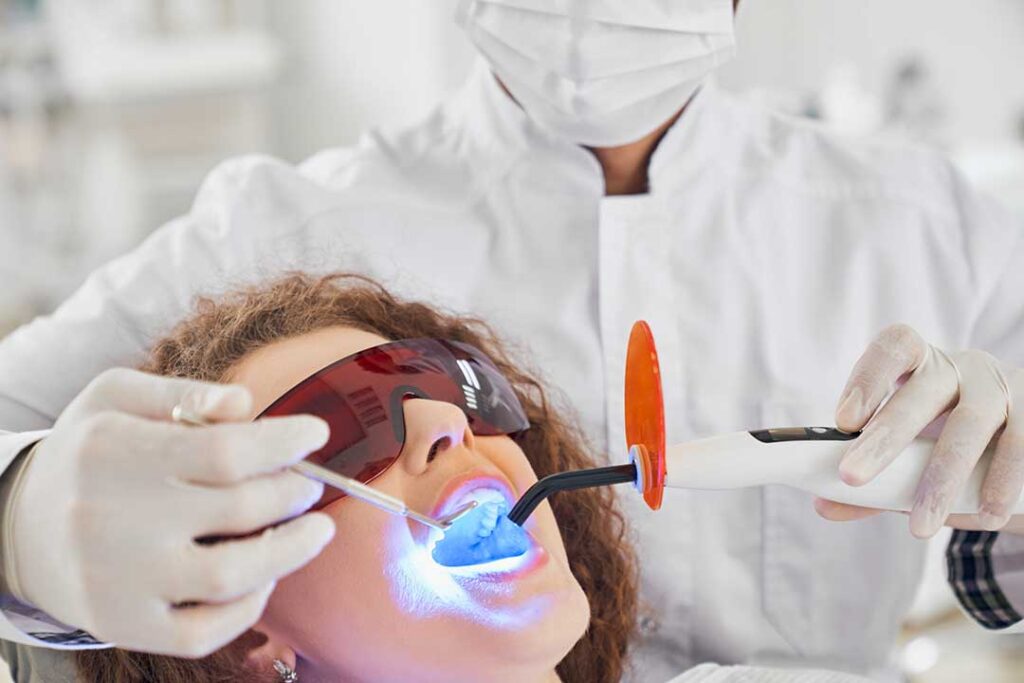
Dental sealants are thin protective coatings placed in the natural grooves of back teeth. They help block food particles and cavity-causing bacteria from settling into pits and fissures that toothbrush bristles may not clean well.
For families in Taylorsville, UT, sealants are most often discussed for children and teenagers, but some adults may benefit as well. They are preventive—not a replacement for brushing, fluoride, healthy eating habits, or regular dental examinations.
What are dental sealants?
Dental sealants are tooth-colored, clear, or slightly tinted materials painted onto the chewing surfaces of molars and premolars. The material flows into small grooves and hardens, forming a barrier over areas that are naturally difficult to keep clean.
Back teeth are especially vulnerable because their chewing surfaces are uneven. Deep grooves can trap:
- Food particles
- Sticky carbohydrates
- Bacterial plaque
- Acid-producing bacteria
A sealant does not cover the entire tooth. It is placed only where the tooth’s shape creates a higher risk for decay, usually on the chewing surface.
How do sealants prevent cavities?
A cavity develops when acids produced by bacteria gradually weaken tooth enamel. Those acids are more likely to remain concentrated in deep grooves where plaque and food are difficult to remove.
A properly placed sealant helps by:
1. Blocking the grooves where plaque can collect
2. Making the chewing surface easier to clean
3. Reducing direct contact between bacteria, food debris, and enamel
4. Helping protect newly erupted permanent molars during years when brushing skills are still developing
Sealants are particularly useful for preventing or slowing decay on the biting surfaces of molars. They do not protect the spaces between teeth, the sides of teeth, or areas near the gumline. Those surfaces still require brushing, fluoride, and flossing.
Who usually needs dental sealants?
Children and teenagers with newly erupted permanent molars are the most common candidates. The first permanent molars generally appear around age 6, while the second permanent molars often emerge around age 12. These teeth may benefit from protection soon after they come in, especially if their grooves are deep.
A child may be more likely to benefit when:
- A previous cavity has developed in another tooth
- The molars have deep or narrow grooves
- Brushing is inconsistent or difficult
- The child frequently snacks or drinks sweetened beverages
- Fluoride exposure is limited
- A tooth has an early, non-cavitated area of enamel change
- Orthodontic appliances make cleaning more difficult
- Medical or developmental conditions make daily oral care harder
Sealants may also be considered for primary, or baby, molars. Baby teeth are important for eating, speaking, and holding space for permanent teeth. Protecting them can be useful when they have deep grooves or when a child has a higher risk of tooth decay.
Can adults get dental sealants?
Yes. Adults may benefit from sealants when they have deep grooves, a history of cavities, exposed areas that are difficult to clean, or newly erupted teeth that remain at risk.
The decision is based on the tooth’s condition and the person’s overall cavity risk—not simply age. An adult who has had very few cavities and has shallow, easily cleaned grooves may not need sealants. Someone with repeated decay on molars may be a reasonable candidate.
Sealants are not automatically needed on every tooth. A risk-based approach avoids placing preventive material where the likely benefit is small.
What happens during sealant placement?
Placement is generally quick and does not require drilling when the tooth is healthy or has only a very early, non-cavitated lesion.
The usual steps include:
1. Cleaning the tooth to remove plaque and debris
2. Keeping the tooth dry
3. Conditioning the enamel so the material can bond
4. Rinsing and drying the surface
5. Painting the sealant into the grooves
6. Hardening it with a curing light or another setting method
7. Checking the bite and the sealant’s coverage

The process is usually painless. A child may notice a brief taste, mild pressure, or the sensation of the curing light. If a tooth already has a cavity that has created a hole in the enamel, a sealant alone may not be appropriate. That tooth may need a different type of treatment.
How long do dental sealants last?
Sealants can remain useful for several years, but they are not permanent. Chewing forces, tooth grinding, sticky foods, and normal wear can cause a sealant to thin, chip, or come loose.
A sealant should be checked during routine examinations. If part of it is missing, it may be repaired or replaced. A lost sealant does not necessarily mean the tooth will develop a cavity, but an unprotected groove may once again need attention.
Regular monitoring matters because decay can still develop around a damaged or incomplete sealant.
Are sealants safe?
Dental sealants have been used for decades and are generally considered safe. The materials may be resin-based or glass-ionomer-based, depending on the tooth, moisture control, and clinical situation.
Some people ask about bisphenol A, commonly called BPA, in resin materials. Sealant products are not formulated with BPA as an intended ingredient, although very small trace amounts may be present as by-products or contaminants. Proper curing and cleaning of the surface after placement help reduce any residual material.
Anyone with known material allergies or special medical concerns should discuss them before treatment. The choice of material can be individualized.
Are sealants better than fluoride?
Sealants and fluoride serve different purposes, so one does not completely replace the other.
Fluoride strengthens enamel and helps repair early mineral loss across many tooth surfaces. Sealants provide a physical barrier in deep grooves, especially on molars. Children at elevated cavity risk may benefit from both measures.
Fluoride toothpaste remains important even when sealants are present. Sealants also do not protect against decay caused by frequent sugary drinks, poor brushing, or plaque between teeth.
What should families in Taylorsville keep in mind?
Dry indoor air during colder months may make some people feel thirsty or encourage frequent sipping. Water is preferable to sweetened beverages, sports drinks, and frequent juice consumption because repeated sugar exposure increases the time teeth are exposed to cavity-promoting acids.
Households with busy school schedules may also rely on convenient snacks. Choosing foods that are less sticky and limiting grazing between meals can support the protection provided by sealants. The most useful daily habits remain straightforward:
- Brush twice a day with fluoride toothpaste
- Clean between teeth once a day when teeth touch
- Drink water regularly
- Limit frequent sugary snacks and beverages
- Check molars carefully as new teeth erupt
- Have sealants examined for wear or damage
A dental sealant is best understood as one part of a broader cavity-prevention plan. It is most helpful when a tooth has grooves that trap plaque or when a person’s history and daily circumstances make decay more likely.