

 See My Latest Article on HelloNation

What does a routine dental cleaning include?
A routine dental cleaning usually combines an oral health review, removal of plaque and hardened tartar, polishing, and guidance for keeping teeth and gums clean at home. The visit may also include a dentist’s examination, but a cleaning itself is different from restorative treatment such as a filling or crown.
For residents of Taylorsville, UT, a standard visit often follows this general sequence:
- Health and dental history review
- Examination of the teeth, gums, and mouth
- Removal of plaque and tartar
- Cleaning between the teeth
- Polishing
- Fluoride treatment when appropriate
- Discussion of findings and recommended follow-up
The exact order and length can vary based on age, gum health, orthodontic appliances, dental work, sensitivity, and how long it has been since the last visit.
What happens when the visit begins?
The dental team may ask about changes in health, medications, pregnancy, allergies, dental symptoms, and home-care habits. Mention tooth sensitivity, bleeding gums, dry mouth, jaw discomfort, or pain before the cleaning begins.
A hygienist or dentist may then look at the teeth and gums using a small mirror, light, and other instruments. The examination can identify visible plaque, tartar, gum inflammation, cavities, worn enamel, broken restorations, or areas that need closer evaluation. Dental checkups may also include questions about diet, tobacco use, and brushing or flossing habits. ([nhs.uk](https://www.nhs.uk/live-well/healthy-teeth-and-gums/dental-check-ups/?utm_source=openai))
Some offices record gum measurements or take photographs to compare oral changes over time. These steps are not necessarily signs of a problem; they can help document the condition of the mouth.
How is tartar removed?
The hygienist uses hand instruments, an ultrasonic scaler, or both to remove tartar from the tooth surface and near the gumline. Plaque is a soft bacterial film that can often be removed with brushing and cleaning between the teeth. Tartar, also called calculus, is hardened plaque and cannot be fully removed with a toothbrush at home.
Scaling may create scraping, buzzing, vibration, or water sensations. It should not normally be sharply painful, although some people notice sensitivity, particularly around exposed roots, inflamed gums, or areas with substantial tartar.
The hygienist may pause to rinse the mouth or use suction. Raising a hand to request a break is reasonable, especially if the mouth becomes tired or water causes discomfort.
Is polishing part of the cleaning?
Usually, polishing follows scaling. A small rotating brush and mildly abrasive paste are used to remove some remaining surface stains and leave the teeth feeling smooth.
Polishing does not bleach teeth or remove every type of discoloration. Stains caused by tobacco, coffee, tea, certain foods, or aging may require a separate discussion. The purpose of routine polishing is mainly to smooth the tooth surfaces after deposits have been removed, not to change the natural color of the teeth.
Are dental X-rays taken during a cleaning?
X-rays are not automatically required at every cleaning. They may be recommended when the dentist needs to evaluate areas that cannot be seen directly, such as between teeth, below the gumline, around existing dental work, or near a suspected infection.
The appropriate timing depends on factors such as age, symptoms, current oral health, history of decay, gum disease, previous treatment, and findings from the examination. The American Dental Association advises that imaging decisions should be based on an individual’s clinical needs rather than a fixed schedule. Patients can ask why an image is needed and what information it may provide. ([ada.org](https://www.ada.org/resources/ada-library/oral-health-topics/x-rays-radiographs?utm_source=openai))
A cleaning appointment may occur without X-rays, or X-rays may be taken as part of a broader periodic examination.
Will fluoride be applied?
Fluoride may be offered after cleaning, particularly for people with elevated cavity risk, sensitivity, dry mouth, exposed roots, orthodontic appliances, or a history of frequent decay.
Fluoride treatment is preventive rather than restorative. It does not repair a large cavity, but it can support enamel strength and reduce the risk of future damage when used as part of an overall oral-care plan. The dental team should explain any post-treatment instructions, such as waiting briefly before eating or drinking.
What is the difference between a regular cleaning and a deep cleaning?
A regular cleaning is intended to remove plaque and tartar from visible tooth surfaces and along the gumline. A deep cleaning, commonly called scaling and root planing, is used when gum disease has caused deeper pockets and deposits below the gumline.
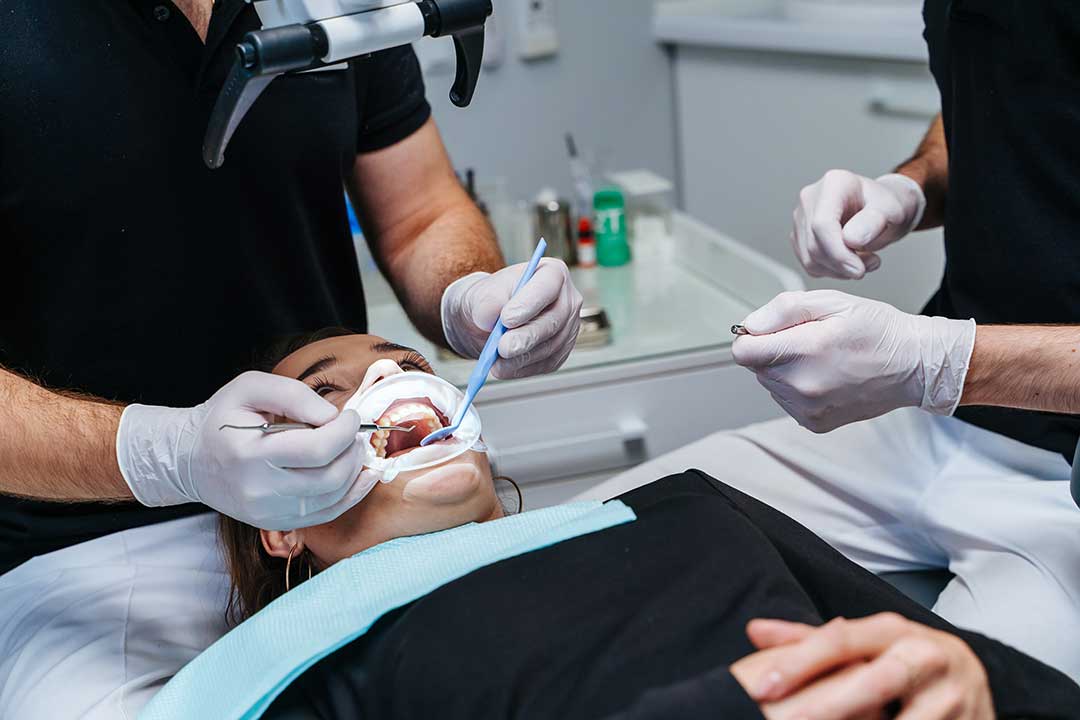
Deep cleaning may require local anesthetic, more than one visit, and additional monitoring. Temporary soreness or sensitivity can occur afterward. It should not be assumed that every cleaning is a deep cleaning; the recommended procedure should be explained before treatment begins. ([mouthhealthy.org](https://www.mouthhealthy.org/all-topics-a-z/scaling-and-root-planing/?utm_source=openai))
Signs that may lead to a discussion about more extensive gum treatment include persistent bleeding, swollen or tender gums, gum recession, loose teeth, bad breath that does not improve with cleaning, or deep gum pockets.
How long does a dental cleaning take?
Many routine cleanings take roughly 30 to 60 minutes, although the appointment may be shorter or longer. Time can increase when there is heavy tartar, gum inflammation, braces, extensive dental work, strong sensitivity, or a long gap between visits.
A first visit may also take longer because the dental team needs to review medical history, document existing conditions, and determine whether X-rays or a dentist’s examination are appropriate.
Should anything be done before arriving?
Normal brushing and cleaning between the teeth are appropriate before a visit, but vigorous scrubbing immediately beforehand is unnecessary and may irritate the gums. Eating a light meal beforehand can be helpful if the mouth tends to feel tired during treatment.
Bring an updated medication list and mention:
- Blood-thinning medication
- Diabetes or immune-system conditions
- Recent surgery or hospitalization
- Pregnancy
- Allergies
- New medications
- Dental anxiety or a strong gag reflex
Seasonal dry indoor air can make dry-mouth symptoms more noticeable for some households, especially during colder months. Frequent water intake, sugar-free gum when appropriate, and discussion of persistent dryness can be useful. Dry mouth can increase the risk of cavities, so it should not be dismissed as merely inconvenient.
What should the mouth feel like afterward?
Teeth often feel smoother, and the mouth may feel unusually clean after tartar and plaque are removed. Mild gum tenderness or short-term sensitivity can occur, particularly if the gums were inflamed or significant deposits were present.
Contacting a dental office promptly is appropriate for severe pain, facial swelling, fever, uncontrolled bleeding, a loose permanent tooth, or symptoms that worsen instead of improving. Routine cleaning is preventive care; it is not a substitute for evaluation of urgent dental symptoms.
The most useful part of the visit is not only the cleaning itself. It is also the opportunity to learn where plaque is collecting, whether gum inflammation is present, and which home-care changes are most practical for daily life.