

 See My Latest Article on HelloNation

What Is Tooth Sensitivity and Why Do People in Taylorsville, UT Experience It?
Tooth sensitivity describes a brief, sharp pain or discomfort felt in the teeth, often triggered by hot, cold, sweet, or acidic foods and drinks, as well as exposure to cold weather. In Taylorsville, UT, where winters are cold and summer drinks are popular, this issue is common in households of all ages. The sensation typically arises when underlying dentin—a layer of the tooth normally protected by enamel or gums—becomes exposed and reacts to external stimuli.
What Causes Sensitive Teeth in Local Households?
Several common habits and conditions can lead to exposed dentin or irritated nerves in the teeth. In the community, sensitivity frequently relates to:
- Brushing habits: Many local residents brush too hard or use hard-bristled toothbrushes, causing gradual enamel wear.
- Gum recession: Age, genetics, or improper brushing can cause gums to recede, exposing the tooth roots.
- Acidic diets: Enjoying citrus fruits, carbonated drinks, or frequent snacking on sour treats—especially popular during Taylorsville's summer events—can erode enamel over time.
- Tooth grinding: Many people in the area, especially those with high-stress lifestyles or poor sleep, unknowingly grind their teeth, leading to enamel loss.
- Dental procedures or whitening products: Using over-the-counter whitening strips or pastes with harsh abrasives can make teeth temporarily or permanently sensitive.
How Does the Local Climate and Water Quality Affect Tooth Sensitivity?
Taylorsville's dry winter air and frequent temperature changes can increase the sensation of sensitivity, especially when breathing in cold air outdoors. Households using heated indoor air systems may also find their mouths drier, which can reduce the protective effect of saliva against enamel breakdown.
Local tap water is generally safe, but some area residents opt for filtered or bottled water, which may lack the natural fluoride content that helps strengthen teeth. A reduction in fluoride exposure can make enamel thinner and more prone to sensitivity, particularly in families not using fluoride toothpaste or rinses.
Can Brushing and Diet Choices Impact Sensitivity?
Gentle, effective brushing—using a soft-bristled brush and avoiding excessive pressure—helps protect enamel and gum tissue. Locally, there is a tendency for people to use firm brushes, hoping for a “cleaner” feel, but this can worsen sensitivity. Important points for residents include:
- Use soft-bristled brushes and fluoride toothpaste.
- Avoid aggressive or “scrubbing” brushing motions.
- Wait at least 30 minutes to brush after consuming acidic foods or drinks; brushing immediately can rub acids deeper into enamel.
- Favoring water and milk over sports drinks, soda, or citrus-flavored beverages can also reduce enamel erosion.
Are There Home Remedies that Actually Work?
For many in the community, sensitivity can be managed with a few reliable strategies:
- Desensitizing toothpaste: These contain compounds that help block nerve sensation in teeth after a few weeks of regular use.
- Warm saltwater rinses: Useful in the drier climate, this can soothe mouth tissues and reduce inflammation, supporting gum health.
- Using a night guard: If teeth grinding at night is suspected—such as waking with jaw pain or worn-down teeth—wearing a boil-and-bite guard from the pharmacy may protect enamel until a more permanent solution is arranged.
- Avoidance: Limiting extreme temperature foods and drinks, particularly just after coming in from the cold, helps reduce sudden discomfort.
Local households should note that home remedies are effective for mild sensitivity, but they won’t solve severe dental decay, cracks, or gum disease, which require professional assessment.
When Might Tooth Sensitivity Indicate a More Serious Concern?
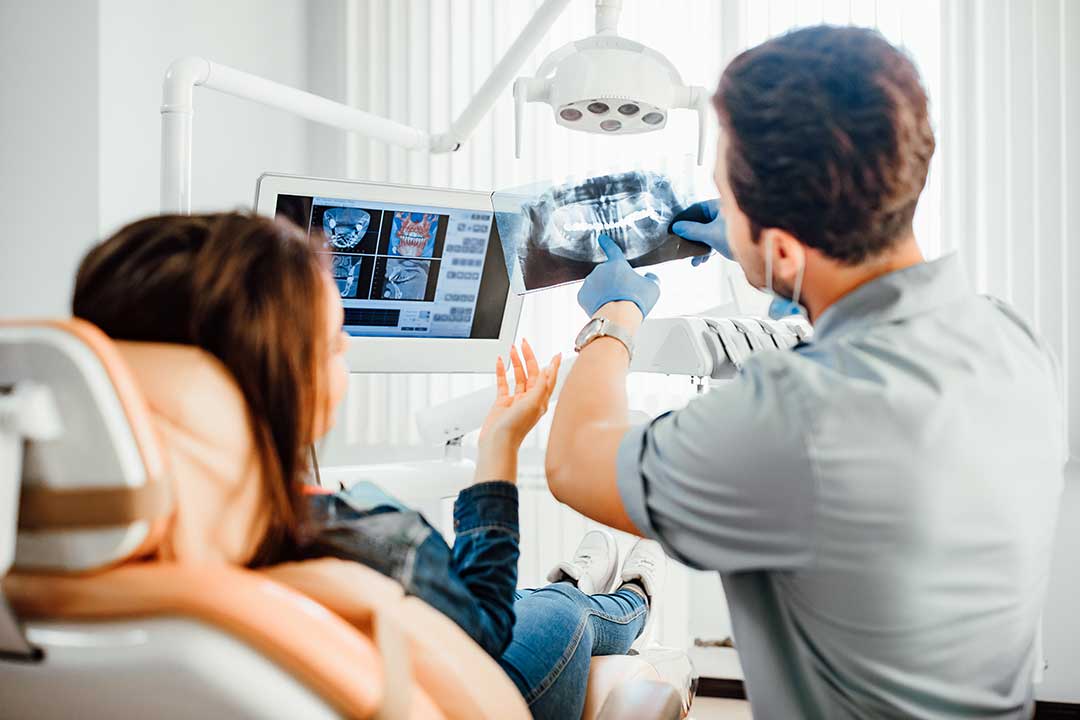
Occasional brief discomfort—especially after cold drinks or outdoor activities—is common locally and not usually cause for alarm. However, ongoing, severe, or worsening pain could be a sign of:
- Cavities forming beneath enamel
- Cracked teeth from old fillings or accidental biting
- Gum disease leading to further tissue and bone loss
- Dental abscesses or infections (which may also cause swelling or temperature sensitivity along with throbbing)
Sudden or severe tooth pain that doesn’t go away, especially with swelling or fever, should not be managed at home and warrants immediate assessment for possible infection.
What Are Common Misconceptions About Sensitive Teeth in the Area?
Some believe that tooth sensitivity always means cavities or permanent damage, but in reality, most cases are mild and can be traced to manageable habits. Others think hard brushing is necessary for cleanliness, when gentler methods are often better.
Another misconception is that only older residents develop sensitivity. In fact, children and teenagers—especially those consuming large amounts of sports drinks or using whitening products—are also at risk.
How Can Residents of Taylorsville Minimize Risk Long-Term?
Community awareness and simple changes in routines can significantly reduce the chances of developing ongoing sensitivity:
- Regularly switching old toothbrushes for new, soft-bristled options.
- Choosing toothpaste with added fluoride, and occasionally using fluoride mouth rinses if advised.
- Drinking tap water or ensuring bottled water is fluoridated if that is the main household source.
- Practicing moderation with acidic foods and sweetened drinks, especially between meals.
- Scheduling consistent, preventive dental visits to catch minor gum recession or enamel wear early.
While some individuals are genetically more likely to experience sensitivity, most discomfort can be managed or reduced with practical daily habits and local resources.