

 See My Latest Article on HelloNation
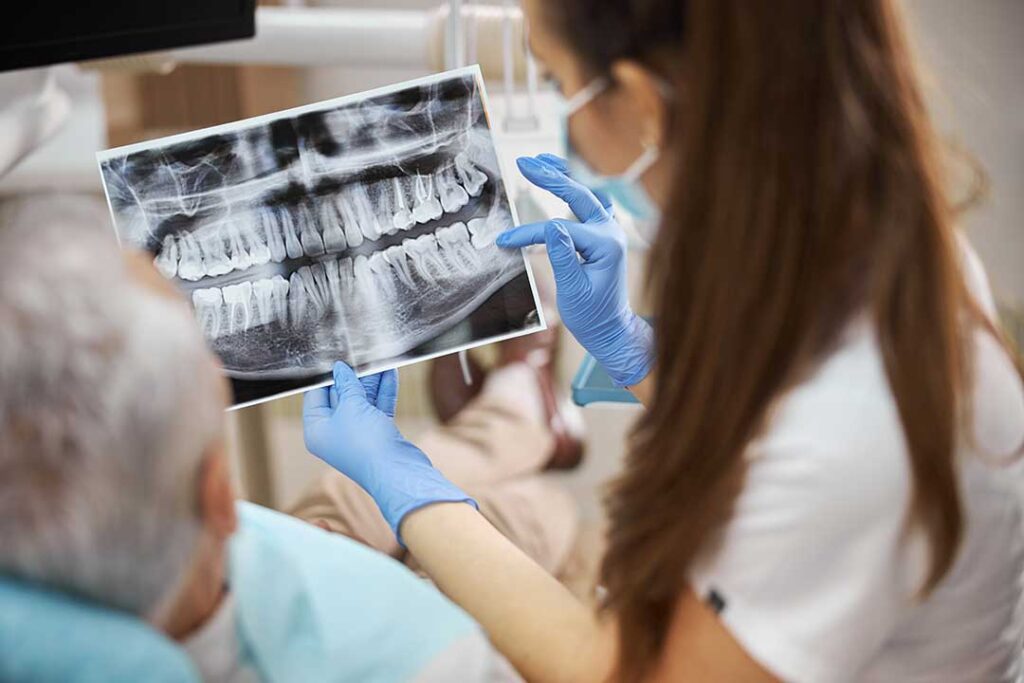
Mouthwash can be useful, but it is not necessary for everyone. For most people, the foundation of good oral health is brushing twice daily with fluoride toothpaste, cleaning between the teeth, managing sugary foods and drinks, and getting appropriate dental care. Mouthwash may provide extra help for specific concerns, such as frequent cavities, gingivitis, bad breath, or dry mouth.
Is mouthwash required for healthy teeth and gums?
No. A person can maintain good oral health without using mouthwash if brushing and between-the-teeth cleaning are thorough and consistent.
Mouthwash is a supplement, not a replacement for removing plaque mechanically. Swishing cannot remove plaque as effectively as brushing along the gumline and cleaning between teeth. The American Dental Association describes mouthrinse as a possible addition to daily care, rather than an alternative to brushing and flossing. ([ada.org](https://www.ada.org/resources/ada-library/oral-health-topics/mouthrinse-mouthwash?utm_source=openai))
For many households, a practical routine includes:
- Brushing for about two minutes twice a day with fluoride toothpaste
- Cleaning between teeth daily with floss, interdental brushes, or another suitable cleaner
- Spitting after brushing instead of thoroughly rinsing away the fluoride
- Limiting frequent sipping of sweetened drinks and repeated snacking
- Drinking water regularly, especially when the mouth feels dry
This routine remains important during cold, dry weather or periods when indoor heating makes the mouth feel less comfortable. Dry mouth can increase the risk of tooth decay because saliva helps neutralize acids and protect tooth surfaces.
What are the different types of mouthwash?
Not all mouthwashes serve the same purpose. Cosmetic rinses mainly freshen breath temporarily. They may improve taste or mask odor without addressing the source of the problem.
Therapeutic rinses contain active ingredients intended to help with a specific oral-health concern. Depending on the formulation, they may help:
- Reduce cavity risk through fluoride
- Lower plaque and gingivitis levels
- Control certain types of bad breath
- Relieve some dry-mouth symptoms
- Soothe irritation from oral sores
A fluoride rinse is different from an antimicrobial rinse. Fluoride helps strengthen enamel and make teeth more resistant to acid attacks. Antimicrobial ingredients are intended to reduce certain bacteria associated with plaque, gingivitis, or odor. The label should explain the product’s intended use and age restrictions.
Who may benefit from a fluoride rinse?
People at increased risk for cavities may benefit from additional fluoride, but the decision depends on individual circumstances. Risk can be higher for people with a history of frequent cavities, exposed or sensitive root surfaces, dry mouth, orthodontic appliances, or difficulty cleaning certain areas.
Fluoride toothpaste is generally the primary daily source of topical fluoride. A fluoride mouthrinse may add protection, particularly when recommended for someone with elevated cavity risk. The Centers for Disease Control and Prevention explains that fluoride mouthrinse can help prevent cavities because fluoride remains on tooth surfaces and in saliva after use. ([cdc.gov](https://cdc.gov/oral-health/prevention/about-fluoride.html?utm_source=openai))
A rinse may be especially worth discussing for an adult whose mouth is frequently dry because of medications, medical conditions, or overnight mouth breathing. Alcohol-free formulas may be more comfortable in that situation, since alcohol can worsen a dry sensation for some people. ([ada.org](https://www.ada.org/resources/ada-library/oral-health-topics/mouthrinse-mouthwash?utm_source=openai))
Children require extra caution. Mouthwash generally should not be used by children younger than six unless directed by a dentist or physician, because young children may swallow it. Repeated swallowing of fluoride rinse can contribute to dental fluorosis while permanent teeth are developing. ([ada.org](https://www.ada.org/resources/ada-library/oral-health-topics/mouthrinse-mouthwash?utm_source=openai))
Can mouthwash treat bad breath?
Mouthwash can temporarily reduce bad breath, but persistent odor may have an underlying cause. Food debris, plaque, gum inflammation, dry mouth, tobacco use, certain foods, and some medical conditions can all contribute.
A cosmetic rinse may only cover the smell for a short time. A therapeutic rinse may reduce odor-causing bacteria, but it still does not remove deposits from the tongue, between the teeth, or below the gumline.
If bad breath continues despite brushing, tongue cleaning, daily interdental cleaning, and adequate hydration, the symptom deserves attention. Ongoing odor accompanied by bleeding gums, swelling, loose teeth, pain, or a bad taste may indicate gum disease or another oral problem.
Does mouthwash replace flossing?
No. This is one of the most common misconceptions.
Mouthwash reaches many areas of the mouth, but it does not physically sweep plaque from the tight spaces between teeth. Floss, interdental brushes, and other interdental cleaners provide mechanical cleaning that a liquid cannot duplicate.
Someone who has limited hand dexterity, crowded teeth, bridges, braces, or other difficult-to-clean areas may need a customized approach. The most effective method is the one that can be used safely and consistently without injuring the gums.
Should mouthwash be used before or after brushing?
The answer depends partly on the product instructions and the ingredients involved. In general, immediately rinsing with a large amount of water after brushing can wash away concentrated fluoride from toothpaste. A light rinse, delayed rinsing, or using mouthwash at a separate time may preserve more of the toothpaste’s fluoride benefit. ([adanews.ada.org](https://adanews.ada.org/huddles/should-you-rinse-after-brushing/?utm_source=openai))
Some products have specific instructions about timing. Reading the label matters, particularly when a rinse contains fluoride or is being used for a prescribed reason.
A simple approach is to brush at night and avoid vigorous rinsing afterward. If mouthwash is part of the routine, it can often be used at another time of day, following the product directions.
Are there reasons not to use mouthwash?
Some people experience burning, irritation, altered taste, dry-mouth discomfort, or staining from particular formulas. Prescription chlorhexidine rinses, for example, can cause tooth or tongue staining and changes in taste when used under certain circumstances. ([ada.org](https://www.ada.org/resources/ada-library/oral-health-topics/mouthrinse-mouthwash?utm_source=openai))
Mouthwash should not be swallowed. It should also be kept out of reach of young children. People with alcohol-use concerns, dry mouth, oral sensitivity, or difficulty spitting may prefer an alcohol-free product or may not be good candidates for routine rinsing without individualized guidance.
Mouthwash also should not be used to delay evaluation of symptoms. A rinse may temporarily mask odor, soreness, or irritation while an underlying condition continues.
How can Taylorsville residents decide whether mouthwash fits their routine?
The most useful question is not whether mouthwash is universally necessary, but whether a particular person has a clearly defined reason to use it.
Mouthwash may be reasonable when:
- Cavities occur despite careful brushing and between-the-teeth cleaning
- A dental professional has recommended extra fluoride
- Gingivitis or plaque remains difficult to control
- Dry mouth is increasing decay risk
- A therapeutic rinse is prescribed for a specific condition
It may be unnecessary when brushing, interdental cleaning, and fluoride exposure are already effective and there are no special oral-health concerns.
For residents managing dry indoor air, medications that reduce saliva, or frequent winter mouth breathing, hydration and saliva-supporting habits may matter as much as the choice of rinse. Sugar-free gum can help stimulate saliva for some people, while frequent sugary drinks can increase cavity risk even when mouthwash is used.
The most accurate answer is therefore: mouthwash is optional for many people, useful for some, and not a substitute for brushing with fluoride toothpaste or cleaning between the teeth.