

 See My Latest Article on HelloNation
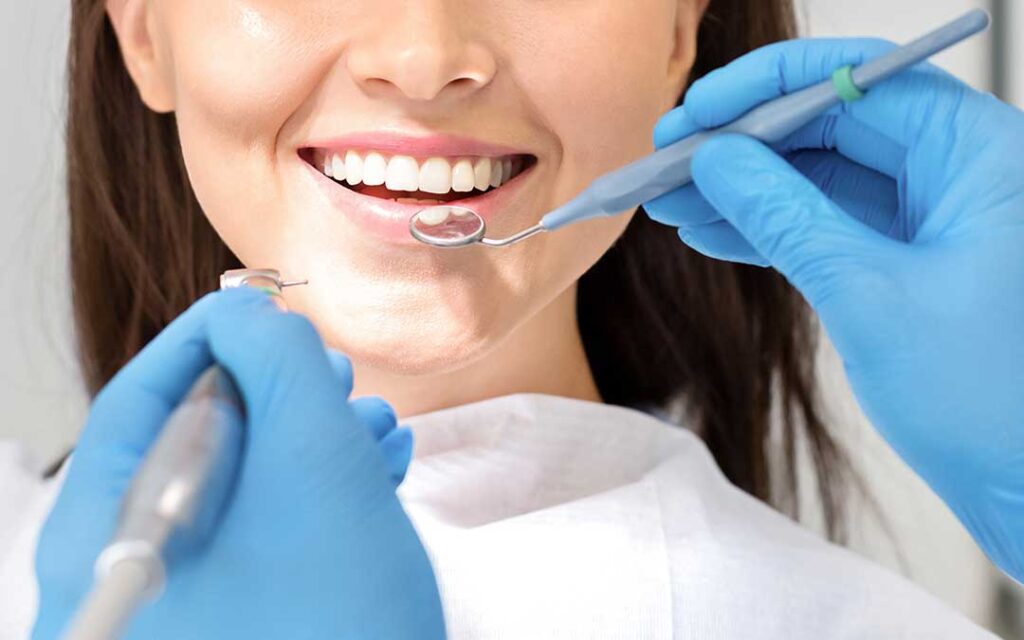
Why Does Breath Become Unpleasant?
Bad breath, or halitosis, is usually the result of bacteria breaking down food particles in the mouth. In most homes across Taylorsville, the main culprits are poor oral hygiene, dry mouth, and specific foods like garlic and onions. Sometimes, medical conditions or medications can contribute, but for many households, simple daily habits are the true difference makers.
Can Drinking Water Help Freshen Breath?
Yes; staying hydrated is one of the simplest ways to reduce unwanted mouth odors. Water helps wash away food debris and bacteria. In areas like Taylorsville, where seasonal dryness is common—especially during the winter heating months and the peak of summer—drinking enough water becomes even more crucial. Sipping water throughout the day can be more effective than drinking large amounts all at once, as it maintains moisture in the mouth and keeps saliva flowing.
What Foods Support Fresher Breath Naturally?
Certain fruits, vegetables, and herbs offer short-term breath improvement by boosting saliva or containing natural antibacterial properties. While no food can act as a “cure,” some choices make a noticeable difference:
- Crunchy produce such as apples, celery, or carrots gently scrub teeth and prompt saliva production.
- Fresh parsley, mint, cilantro, and basil contain chlorophyll and essential oils that help neutralize odors.
- Citrus fruits like oranges, lemons, and limes increase saliva flow, which counteracts dryness-related smells.
These foods are also easy to incorporate: keep carrot sticks or sliced apples in your fridge, or add fresh herbs to meals and snacks.
Do Home Rinses Actually Work?
Some natural mouth rinses can help temporarily manage odors. Saltwater rinses are especially accessible for most households and are good for reducing bacteria on the tongue and gums. Mix about half a teaspoon of regular table salt into a cup of warm water and swish for 15–30 seconds.
A rinse made from diluted apple cider vinegar (1 tablespoon in a cup of water) can also help, thanks to its mildly acidic nature, which creates an environment less friendly to odor-causing bacteria. However, rinses should not substitute regular brushing and flossing.
How Does Good Oral Hygiene Fit In?
Consistent brushing and flossing remain central to maintaining pleasant breath. Brushing the teeth and tongue twice daily and flossing once a day helps remove the hidden particles that contribute to bad smells. For those in Taylorsville with busy schedules, keeping a travel-size toothbrush at work, in a backpack, or a gym bag can be practical for mid-day freshness—especially after eating strong-smelling foods.
Brushing the tongue is often overlooked but is essential; much of the bacteria that produce foul odors live on the tongue’s textured surface.
Are Chewing Gums or Mints Helpful?
Unsweetened chewing gums—especially those containing xylitol—stimulate saliva and may reduce odor temporarily. However, this effect is short-lived, and the gum should not contain sugar, which feeds bacteria. Sugar-free mints can offer fast but fleeting relief; their main value lies in masking, not eliminating, unwelcome smells.
Chewing on fresh herbs such as parsley leaves or mint after meals is a natural alternative for those sensitive to artificial ingredients.
What Common Misconceptions Exist About Breath Freshening?
A few myths persist in many Taylorsville households:
- Mouthwash alone will “fix” bad breath — but most commercial options only mask the odor and may cause dryness if alcohol-based.
- Peppermint candy or sugary mints solve the problem — but sugar encourages bacterial growth and can worsen odor after the effect wears off.
- Only garlic, onions, and coffee cause bad breath — while these are frequent triggers, a dry mouth, skipping meals, or certain medications can play just as strong a role.

Addressing underlying factors—like hydration, oral hygiene, and regular meals—makes a larger impact than flavor-based masking strategies.
Is Dry Mouth a Major Concern in This Area?
Yes; with Taylorsville’s altitude and indoor heating cycles, dry mouth is an especially common issue during the winter and summer. Saliva naturally washes away bacteria, so a reduction in saliva flow quickly leads to stronger odors. To help counteract dryness:
- Schedule water breaks throughout the day
- Use a humidifier in bedrooms during the heating season
- Chew on unsweetened gums or crunchy veggies between meals
- Take breaths through your nose instead of your mouth when possible
When Should You Seek Health Advice?
Most breath odors can be managed with daily habits and natural remedies, but persistent or severe bad breath—especially when paired with a strange taste, sores, or gum discomfort—could signal an underlying health issue. While most causes are harmless, ongoing concerns may be connected to issues such as gum disease, sinus infections, or effects from certain medications.